
Poison Oak Removal in Harford County, MD
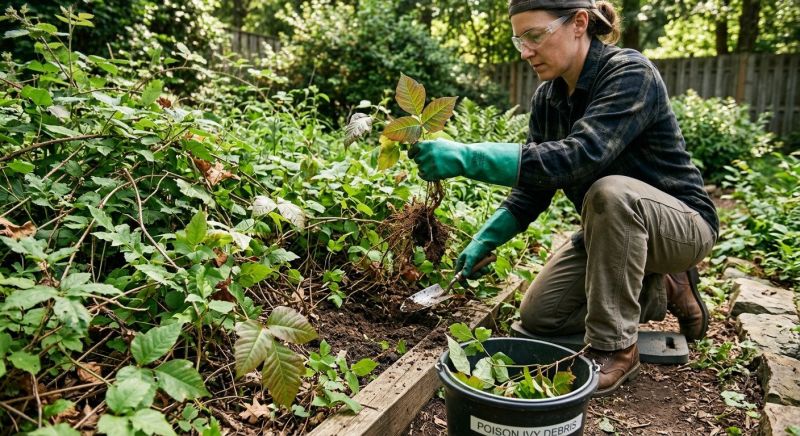
Poison oak removal services focus on safely eliminating this hazardous plant from residential properties. These services typically cover projects such as clearing overgrown areas, trimming shrubs, and removing poison oak from yards, gardens, or wooded spaces. Property owners often seek assistance when poison oak poses a risk to children, pets, or anyone who may come into contact with the plant, especially in outdoor spaces used for recreation or relaxation. Understanding the extent of the growth, the location of the plants, and any surrounding vegetation helps determine the appropriate removal approach for each property.
Before requesting poison oak removal, property owners should consider the size of the affected area and whether the plants are accessible for safe removal. It’s also helpful to know if the plants are growing near structures, pathways, or play areas, as this can influence the method of removal. Proper disposal of the plants is essential to prevent regrowth or spread, and property owners may want to inquire about the best practices for disposal. Clear communication about the scope of the project ensures that the removal process is thorough and minimizes any potential risks associated with poison oak exposure.
Many property owners in Harford County, MD look into Poison Oak Removal for repairs, replacements, upgrades, and appearance-related improvements.
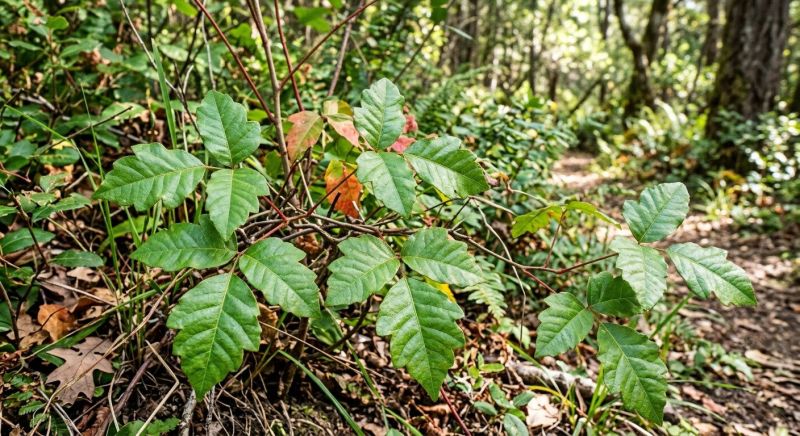
Poison Oak Identification
Recognizing poison oak is essential for safe removal and prevention on residential and commercial properties.
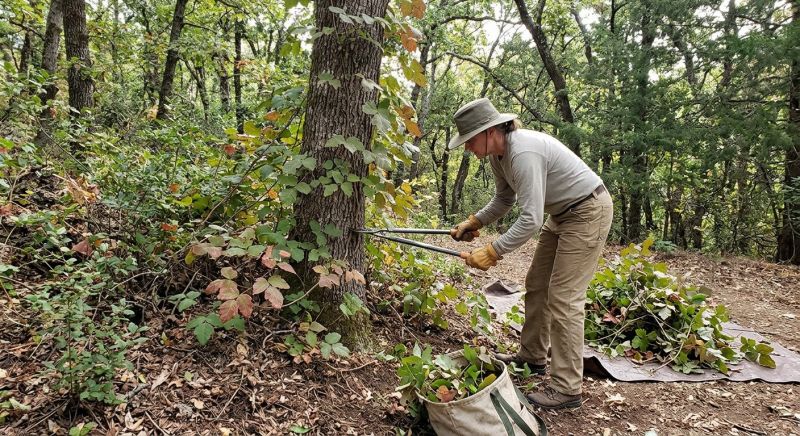
Hazard Prevention
Removing poison oak helps protect families, pets, and workers from skin irritation and allergic reactions.
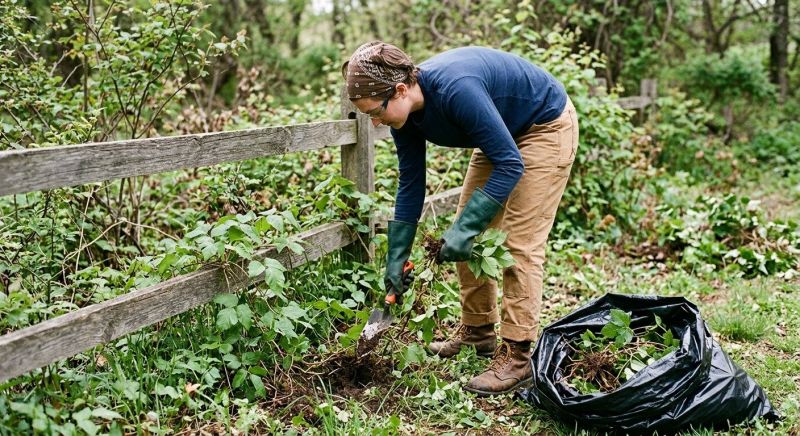
Property Maintenance
Effective poison oak removal maintains the safety and appearance of outdoor spaces in harford county, md.
Poison Oak Removal in Harford County, MD

Poison oak removal services focus on safely eliminating this hazardous plant from residential properties. These services typically cover projects such as clearing overgrown areas, trimming shrubs, and removing poison oak from yards, gardens, or wooded spaces. Property owners often seek assistance when poison oak poses a risk to children, pets, or anyone who may come into contact with the plant, especially in outdoor spaces used for recreation or relaxation. Understanding the extent of the growth, the location of the plants, and any surrounding vegetation helps determine the appropriate removal approach for each property.
Before requesting poison oak removal, property owners should consider the size of the affected area and whether the plants are accessible for safe removal. It’s also helpful to know if the plants are growing near structures, pathways, or play areas, as this can influence the method of removal. Proper disposal of the plants is essential to prevent regrowth or spread, and property owners may want to inquire about the best practices for disposal. Clear communication about the scope of the project ensures that the removal process is thorough and minimizes any potential risks associated with poison oak exposure.
Many property owners in Harford County, MD look into Poison Oak Removal for repairs, replacements, upgrades, and appearance-related improvements.
Common Poison Oak Removal Jobs
Poison Oak Removal - clearing overgrown areas to eliminate poison oak plants safely.
Garden and Yard Clearing - removing poison oak from landscaped areas and lawn edges.
Trail and Pathway Clearing - ensuring walking paths are free of poison oak hazards.
Fence Line and Property Boundaries - removing poison oak along fences and property lines.
Selective Bush and Shrub Removal - targeting poison oak growing among other plants.
Emergency Poison Oak Cleanup - addressing unexpected growth in high-traffic or outdoor living areas.
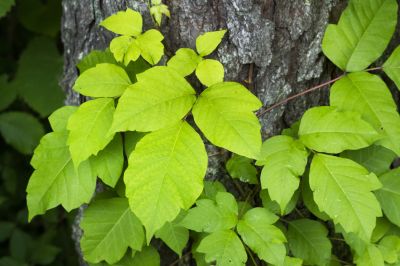
Poison Oak Removal Questions
What is poison oak removal? Poison oak removal involves safely eliminating the plant from a property to prevent skin irritation and other health risks.
Why should poison oak be removed? Removing poison oak reduces the risk of contact dermatitis and prevents the plant from spreading to other areas.
Where is poison oak commonly found? Poison oak typically grows in wooded areas, along fences, and in shaded, brushy locations on residential properties.
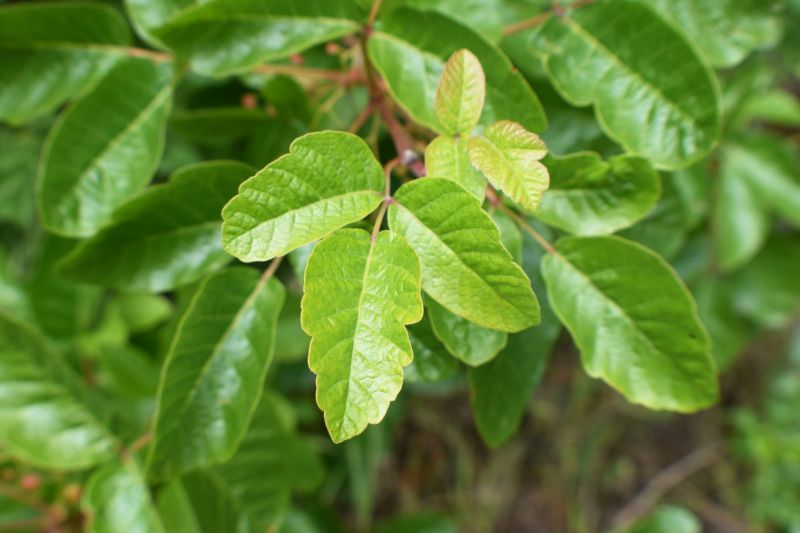
How can poison oak be identified? Poison oak has clusters of leaves that resemble oak trees, often with a shiny or leathery appearance and a three-leaf pattern.
Request Poison Oak Removal in Harford County, MD
Use the quote form on this page to share the basics of your project and request more information for the type of work you need.